When the Story Isn't Yours to Tell: Integrity in PR's Most Sensitive Work
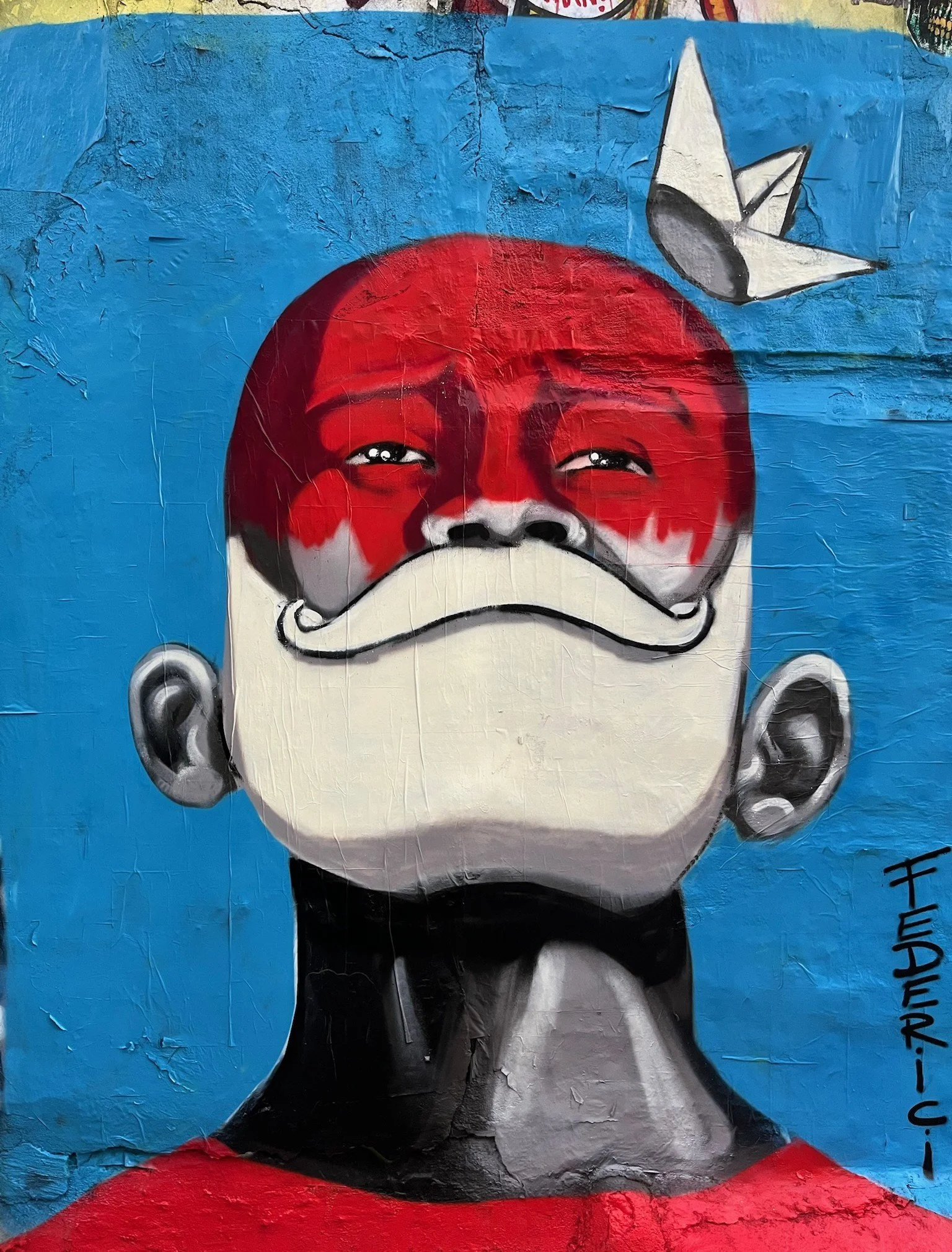
New York, NY (Fedirici)
There's a moment that comes up in certain kinds of communications work -- the moment when a story is powerful. And could absolutely drive attention, funding, or awareness.
But you're not sure it should be told. At least not the way it's being asked for.
For communications professionals working in sensitive spaces — immigration, survivor advocacy, conflict zones — this isn't theoretical. It's the job.
What the Public Doesn’t See
When an article features multiple firsthand accounts from people in vulnerable situations, it can read as powerful storytelling. And sometimes it is.
But what's often invisible is everything that happened before publication.
In sensitive contexts, sharing a story isn't just about being "featured." It can carry real consequences: safety risks for individuals or their families, legal implications, community stigma, long-term digital exposure that can't be undone.
I've worked on cases where we spent weeks — sometimes months — working through those questions. And I've walked away from stories that were genuinely compelling because the risk didn't add up, like when we wanted to highlight the potential trafficking risks of welcome circles for refugees – something, thankfully, many of my then amazing colleagues had flagged and handled appropriately.
The Gap Between Intent and Incentives
Most journalists care deeply about the stories they tell. Many take extraordinary care with sensitive subjects.
But media is also driven by attention. Deadlines are tight. Stories that resonate emotionally perform better. That's not an indictment — it's the reality of how the industry works.
That's where communications professionals often sit: in the middle.
There's a particular kind of article — well-intentioned, often well-reported — where someone decided that more voices meant more impact. Five survivors instead of one. A fuller picture. A movement, not just an incident.
Each of those people made a choice about their own story. But did each of them fully understand what it meant to be named alongside the others? Does the cumulative detail across all of them create a fingerprint more identifying than any single account would have been?
These are the conversations that have to happen — and they're rarely simple. How does the person want to be identified? What are the consequences of identification, today and a year from now? Worries surface. People get cold feet. Others find courage they didn't know they had and are ready to finally tell their story out loud, on the record, with their full name. Each person's experience is different, and nothing should be assumed or taken for granted.
That includes assumptions about whether someone will even want to participate. Deciding for someone — even deciding no on their behalf before you've asked — removes their agency. Freedom of choice means offering all the options and letting the person decide.
For me, a story that could get someone hurt is not a story worth telling, regardless of the public interest argument you can construct around it. As the communications professional in the room, you are often the last person standing between a vulnerable individual and a system that will absolutely move on to the next thing while that person lives with the consequences.
That is not a small responsibility.
Putting it in Practice
This looks like slowing down when everything is telling you to speed up.
It looks like having the conversation with your source that no one else is having — the uncomfortable one, about risk and regret and what they're really hoping for.
It looks like building relationships with journalists who have demonstrated they can be trusted with fragile things. And being honest with sources when a particular journalist isn't that.
And sometimes it looks like being the person in the room who says: we're not ready. They're not ready. This isn't right.
That's not failure. That's the job.